When a Flood Elevation Certificate Makes Sense
A flood elevation certificate is a paper that shows how high a building sits compared to the flood level expected in its area. If you own property near water or in a flood-prone zone, this paper can matter a lot. It records exact heights and shows the building’s flood risk. Many owners only learn about it when a lender, agent or insurance company asks for one. Knowing when you actually need it can save you time, money and stress.
Here’s what it shows and when it really helps.
Find Out What a Flood Elevation Certificate Shows
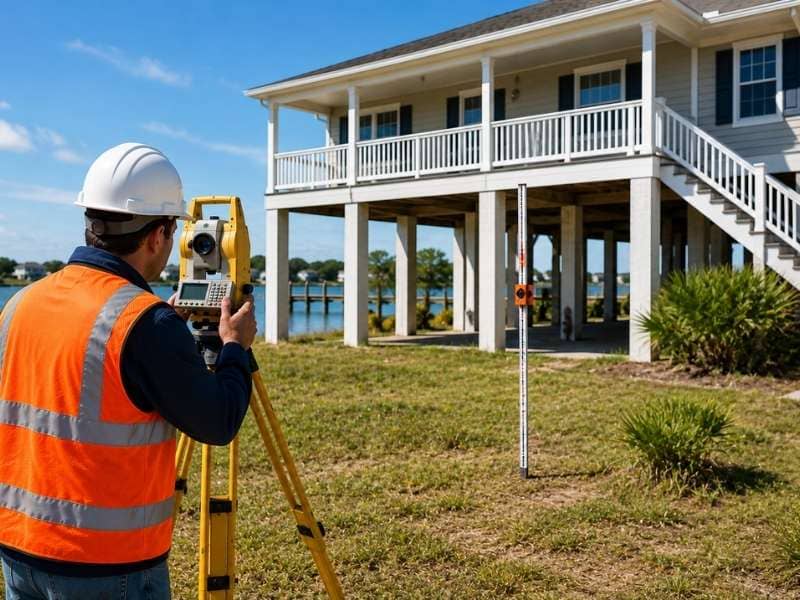
The certificate records the height of a building against a fixed point. A licensed surveyor measures the lowest floor, the next floor up and any gear outside the home, like an air conditioner. The surveyor then checks these heights against the base flood elevation. That’s the level floodwater could reach in a bad flood.
The form also lists the flood zone the property sits in and other site facts. Together, this tells you clearly how the building stands against flood risk. If the lowest floor sits above the flood line, that’s good news. If it sits below, the paper makes that clear too.
Think of it as a height report card for your building. It puts real numbers behind what used to be a guess.
Know When You May Need One
You won’t always need this paper, but some moments call for one. Buying or selling a home in a flood zone is the most common reason. Lenders and insurance firms often ask for it before they close the deal.
You might also need one when you fix up or rebuild part of a home. Adding a new level, raising the home or doing big repairs can change its height and its flood standing. Local permit offices sometimes ask for a fresh certificate before they approve the work.
Owners in higher-risk zones run into this need more often. If your home sits in a Special Flood Hazard Area, expect the topic to come up. Knowing the rule ahead of time helps you dodge delays later.
See How It Can Help with Flood Insurance
The certificate gives insurers the exact numbers they use to judge a building’s risk. Instead of guessing how high the home sits, they get measured facts. That clear data helps them set terms that match the real property.
The paper shows whether the lowest floor sits above or below the flood line. That one detail shapes how an insurer prices a policy. A home raised above the line often looks far less risky than one sitting low.
This also helps if you think your property looks riskier on paper than it really is. With solid height data, you can show exactly where your building stands. Real numbers give you something firm to work with instead of a guess on a map.
Learn What Information Is Collected
To fill out the form, a surveyor takes several key measurements. They record the height of the lowest floor, including any basement or crawl space. They also measure attached garages and any machine placed outside the home.
Beyond heights, the surveyor notes the building’s spot, its flood zone and the maps behind the data. They may take photos of the home from a few sides. All these facts go onto one standard form, so the details stay clear.
Accuracy here really matters. A small error in one measurement can change how others judge a building’s risk. That’s why this work needs trained hands and the right tools.
Work with a Licensed Land Surveyor
This kind of certificate has to come from a trained pro, usually a licensed land surveyor or engineer. They have the skills and tools to take exact height readings. Guesswork won’t cut it, since insurers and permit offices count on these numbers being right.
A licensed surveyor knows how to read flood maps and tie each reading to the right point. They follow strict rules, so the paper holds up when others check it. That trust is just what lenders and agencies want to see.
Picking someone with real experience also makes the job easier. A good surveyor explains what each number means and answers your questions in plain words. When the surveyor gets it right the first time, you skip repeat visits and extra costs.
Frequently Asked Questions
How do I know if I need a flood elevation certificate?
Start by checking whether your property sits in a flood zone, since that’s the biggest factor. Your lender, insurance agent or local permit office can also tell you if they require one. If you’re buying, selling or planning major work near water, it’s smart to ask early.
How long does it take to get a flood elevation certificate?
Most take a few days to a couple of weeks once a surveyor visits the site. The exact timing changes with the surveyor’s schedule and how complex the property is. Booking early helps you avoid holdups during busy seasons.
Can I use an old flood elevation certificate?
You can in some cases, but only if nothing about the building or the flood maps has changed. New construction, raised homes or updated maps can make an old one outdated. When unsure, a fresh copy gives you the most reliable facts.
What information will I receive after the survey is complete?
You’ll get the finished form with all the recorded heights, the flood zone and supporting details. It often includes photos of the building and notes about the maps used. Keep this copy safe, since you may need it for insurance or future projects.
Does a flood elevation certificate expire?
The form itself doesn’t have a strict end date. Still, it can fall out of date if the building changes or new flood maps come out. Insurers and lenders may ask for a current version, so check before you lean on an older one.
