Buying Vacant Land? Why a Boundary Survey Should Come First
Vacant land can look simple. Open space. Trees. Grass. A few markers near the road.
Then the questions start.
Where does the property begin? Where does it end? Does the fence belong to the neighbor? Does the driveway cross the line? Is the land size listed online even correct?
Buying land without knowing the exact boundaries creates problems that can follow a project for years. A boundary survey helps developers understand what they are buying before money changes hands.
The goal is simple. Know the lines before making plans.
What Is a Boundary Survey?
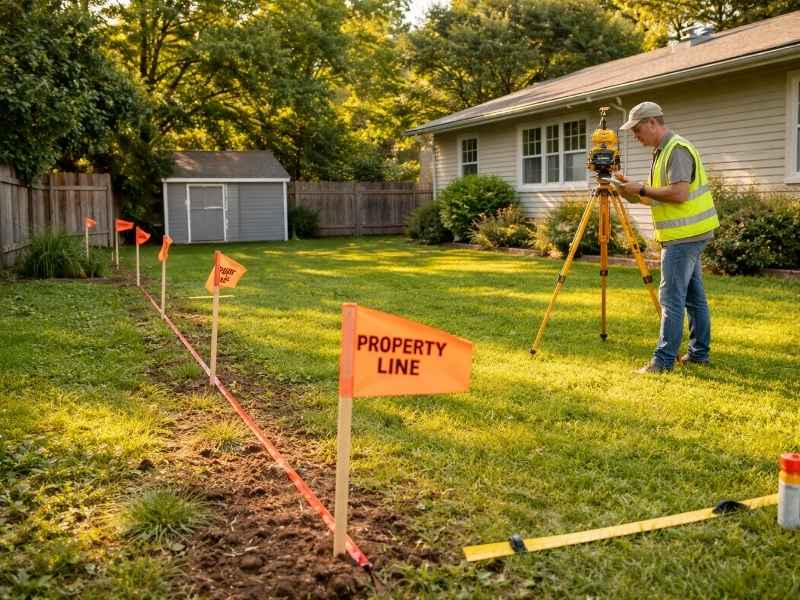
A boundary survey identifies the legal limits of a property. Surveyors study records, review deeds, inspect markers and collect field measurements to locate property lines.
A boundary survey may show:
- Property corners
- Boundary lines
- Easements
- Encroachments
- Fences
- Roads and access areas
- Visible improvements
- Adjacent property lines
Developers need more than rough estimates. Property decisions should start with real measurements.
Why Vacant Land Creates Confusion
Vacant land often creates a false sense of certainty.
There may be no buildings or obvious structures. That sounds simple until people realize property lines are usually invisible.
Grass does not show ownership.
Trees do not show ownership.
An old fence does not automatically show ownership.
Many buyers assume online maps show exact lines. They do not.
Tax maps help identify parcels. They should not replace survey work.
Hidden Boundary Problems Show Up Late
Boundary problems rarely announce themselves early.
Many appear after work starts.
Survey work can reveal:
- Neighbor fences crossing lines
- Shared driveways
- Access issues
- Utility encroachments
- Missing property markers
- Conflicting deed descriptions
Small issues become expensive once plans move forward.
Existing Features Can Create Ownership Questions
Land often contains features that create confusion.
Some have been there for years.
Others were built without anyone checking property lines.
Fences
People trust fences too much.
A fence can sit several feet away from an actual boundary.
Gravel Roads
Access roads sometimes cross neighboring property.
This can create legal and design problems.
Utility Areas
Utility structures may affect usable space.
Developers need to know where those areas exist before planning construction.
Easements Can Limit Buildable Space
A property may contain legal areas that affect future use.
These are called easements.
Common examples include:
- Utility easements
- Access easements
- Drainage easements
- Shared-use areas
Land ownership does not always mean full control of every square foot.
Developers should understand those limits before site planning begins.
A Boundary Survey Helps During Due Diligence
Vacant land purchases involve more than price discussions.
Due diligence should answer basic questions before closing.
Questions like:
- Are property corners identifiable?
- Does access exist?
- Are visible features in the correct location?
- Do deed descriptions match field conditions?
- Is the usable area smaller than expected?
These answers help buyers make stronger decisions.
Survey Problems Cost Less Before Closing
Fixing land problems after purchase gets expensive.
Redesign work creates delays.
Legal questions create stress.
Property disputes create costs nobody planned for.
A boundary survey ordered before closing creates options.
Buyers can ask questions early. They can request corrections before ownership changes.
Late surprises rarely create happy meetings.
Signs a Boundary Survey Should Happen Right Away
Some situations deserve immediate attention.
Order a boundary survey early if:
- Property corners cannot be found
- Fences already exist
- Driveways cross the land
- Neighbor structures sit near boundaries
- The property shape looks unusual
- Records appear unclear
- Development plans involve construction work
Waiting usually creates more work.
Before Buying Vacant Land, Start Here
Developers spend time reviewing zoning, pricing and future plans.
Property boundaries deserve equal attention.
Before moving forward:
- Review deed information
- Study access conditions
- Look for visible improvements
- Check nearby structures
- Order survey work early
Strong projects start with accurate information.
Vacant land can look simple during a quick visit.
The property records tell one story. The field conditions sometimes tell another.
Boundary surveys help developers understand property lines, ownership questions and land conditions before major decisions happen.
Finding problems before purchase costs far less than finding them after development begins.
Frequently Asked Questions
What does a boundary survey show?
A boundary survey identifies property lines, corners, easements and visible features that affect ownership.
Should I get a boundary survey before buying vacant land?
Yes. A survey helps confirm what land is actually being purchased.
Can a boundary survey find encroachments?
Yes. Survey work can identify structures or improvements crossing property lines.
Are tax maps the same as surveys?
No. Tax maps are general references and should not replace survey measurements.
When should a boundary survey happen?
Order survey work before closing and before development plans begin.