Order an ALTA Title Survey Before Closing
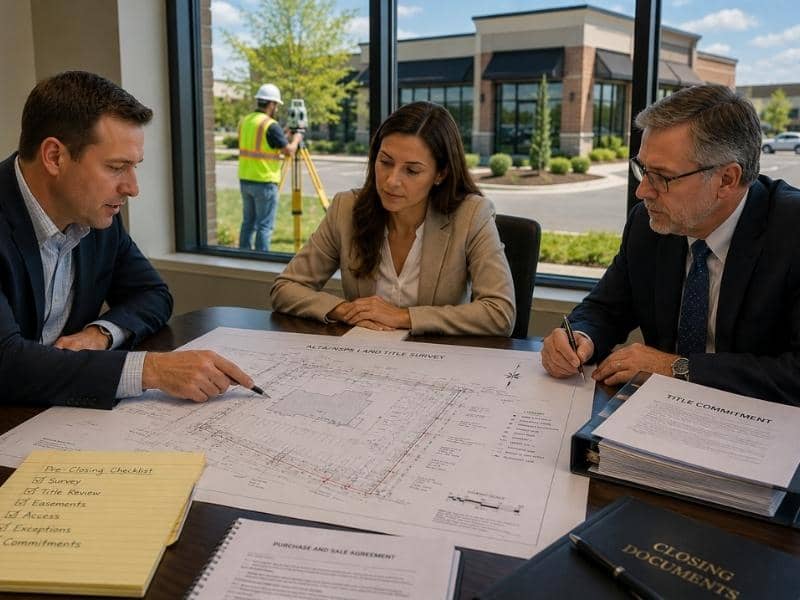
An ALTA title survey is one of the smartest things to order before you close on a property. It’s a detailed survey built for real estate deals, and it works hand in hand with your title insurance. Buyers and lenders rely on it to spot problems before the money changes hands. Skip it, and you might inherit a boundary issue you never saw coming. Ordering one early gives everyone a clear, shared picture of the land.
What an ALTA Title Survey Is
An ALTA title survey is a thorough map of a property made to a national standard. ALTA stands for the American Land Title Association, the group whose rules the survey follows. The rules are the same everywhere. So lenders and title companies know exactly what they’re getting. That sameness is why this survey shows up in so many commercial deals.
The survey ties the land to the title record. It shows the boundaries, the things built on the land and the rights others may hold on it. Then it lines all of that up against what the title work says. When the map and the title agree, everyone can move ahead with confidence.
Why Lenders and Buyers Want It Before Closing
A property can look perfect and still hide costly problems. A neighbor’s driveway might cross the line, or an old easement might sit right where you plan to build. An ALTA survey brings those issues into the open before you sign. That timing is everything, because fixing a problem is far easier before closing than after.
Lenders care just as much as buyers do. They’re lending money against the land. So they want proof it’s free of nasty surprises. A clean survey protects their money and yours at the same time. That’s why a lender often makes the survey part of the loan deal.
What an ALTA Survey Reveals
The real value of an ALTA survey is what it uncovers. It digs into details a quick look would miss, and each one can affect the deal.
A typical survey brings these to light:
- The true boundary lines and corners of the property
- Buildings, fences or drives that cross a line
- Easements and rights that let others use part of the land
- Whether the property has legal access to a road
- Conflicts between what’s on the ground and the title record
Any one of these can change the value or the plan for a property. Finding them early lets you push back, fix the issue or walk away. That knowledge is exactly what you’re paying for.
Who Orders It and When
On most commercial deals, the buyer orders the ALTA survey. The lender often pushes for it too. The title company and the surveyor then work together to match the map to the title. Getting the right people involved early keeps the process smooth.
Timing matters more than people expect. An ALTA survey takes time, since it blends fieldwork with title research. Order it too late, and you risk delaying the closing while everyone waits. Starting weeks ahead gives the team room to find and solve any problems in time.
What Happens If You Skip It
Closing without an ALTA survey means closing on faith. You’re trusting that the property has no boundary or access issues hiding in plain sight. If one turns up later, it becomes your problem, not the seller’s. By then, the leverage you had before closing is gone.
The costs can be steep. A disputed line, a blocked access or a surprise easement can sink your plans for the site. Some buyers spend far more fixing these issues than a survey ever would have cost. Ordering the survey up front is simply the safer path.
Frequently Asked Questions
What is an ALTA title survey?
It’s a detailed property survey made to a national standard used in real estate deals. It maps the boundaries, the improvements and the rights tied to the land. Then it compares all of that to the title record so buyers and lenders can trust it.
Why do lenders require an ALTA survey before closing?
Lenders want proof that the property they’re financing has no hidden problems. The survey reveals issues like a crossed line, an easement or a missing access route that could lower the value. A clean result protects the loan and clears the way to close.
Who pays for an ALTA title survey?
On most commercial deals, the buyer pays for the survey. It’s sometimes negotiated, so a seller may cover part of it. Either way, the cost is small next to the risk of a hidden boundary problem.
How early should I order one before closing?
Order it as soon as the deal looks likely, not days before closing. The survey blends fieldwork and title research, which takes time. Starting weeks ahead leaves room to fix anything it uncovers.
What does an ALTA survey show that a standard survey doesn’t?
A basic survey mostly marks the boundary. An ALTA survey adds the improvements, the easements, the access and a check against the title record. That fuller picture is what makes it the standard for commercial deals.
