
Mortgage Survey Tips Before Closing on a Property
Buying a home is exciting. It can also get stressful fast, especially as the closing date gets close. A mortgage survey is one of those steps that quietly protects you from big surprises. It maps out the property you’re about to buy and shows where the lines, buildings and other features really sit. Most buyers never think about it until a lender brings it up. By then, you want to already know what it does and why it matters.
Know What a Mortgage Survey Covers
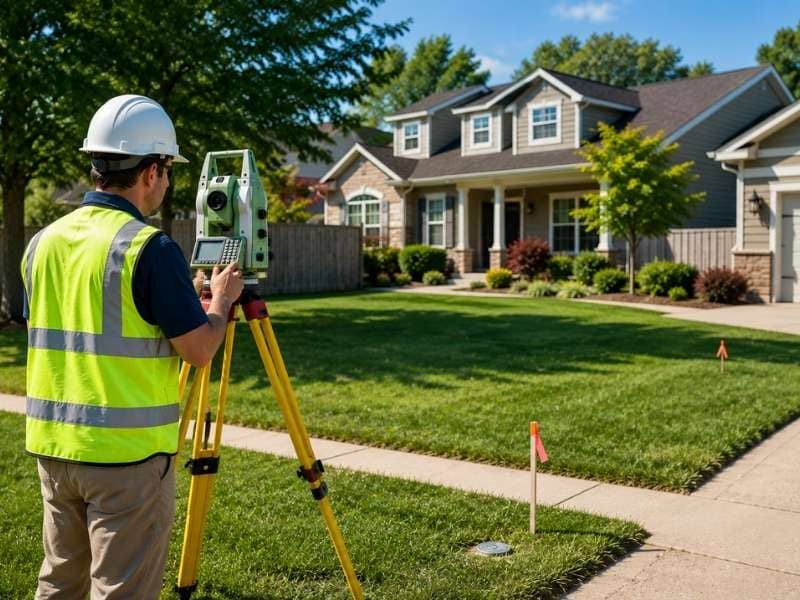
A mortgage survey checks the basic layout of a property. A licensed surveyor visits the site and records where the property lines fall. They also note the house, garage, driveway, fences and other visible features you can see from the ground.
The goal is simple. It confirms that what’s on the property matches what the records say. If the deed describes a half-acre lot with one house, the survey should back that up. When something doesn’t line up, you find out early instead of after you own it.
This kind of survey usually costs less than a full boundary survey. It gives buyers a clear picture without the deeper detail. For most home purchases, that’s exactly what you need.
Watch for Problems Before You Buy
Sometimes a survey turns up things nobody expected. A fence might sit two feet over the property line. A driveway you assumed was yours might actually be shared. A shed or garage could cross onto the neighbor’s land.
People call these issues encroachments, and they’re more common than you’d think. They don’t always stop a sale, but they can slow it down. You may need the seller to fix the problem first, or you might agree on a price change to cover it.
Catching these problems before closing puts you in control. Once you own the home, the problem becomes yours to deal with. So it’s far better to know now, while you still have room to walk away or negotiate.
Plan the Survey at the Right Time
Timing makes a real difference. You’ll usually want the mortgage survey done after your offer is accepted but well before the closing date. That gives everyone enough time to review the results and handle any issues that come up.
If you wait too long, you risk delaying the whole closing. Surveyors get busy, especially during peak buying seasons. Booking early helps you avoid a last-minute scramble.
Your lender or title company will often tell you when they need the survey in hand. Listen to that date and work backward from it. A little planning here keeps the rest of the process moving smoothly.
Understand How the Results Are Used
A mortgage survey helps more than just you. Several people in the deal rely on it. Your lender uses it to confirm the property is what they’re lending money against. They want to know the home sits where it should and that no major issue threatens its value.
The title company also reviews the survey before they issue title insurance. They check for encroachments, easements and anything that might affect ownership. If the survey shows a problem, they’ll want the seller to clear it up before closing.
As the buyer, you get the same information to make a smart choice. You can see exactly what you’re buying. That shared view keeps everyone on the same page and helps the closing go through without surprises.
Pick the Right Surveyor
Not every surveyor is the same, so choosing well matters. Start by making sure they’re licensed in your state. A license means they’ve met the training and testing standards needed to do the work correctly.
Experience counts too. A surveyor who has worked on many home purchases will spot problems faster and explain them in plain language. Ask how long they’ve done this kind of work and whether they know your area well.
Good communication is just as important as technical skill. You want someone who answers your questions and walks you through the results clearly. If a surveyor rushes you or talks in confusing terms, keep looking. The right one makes the whole process easier to understand.
Frequently Asked Questions
How is a mortgage survey different from a property inspection?
A mortgage survey looks at land, boundaries and where structures sit on the lot. A property inspection checks the condition of the home itself, like the roof, wiring and plumbing. They answer different questions, so many buyers get both before closing.
What happens if a mortgage survey finds a problem?
You’ll usually have a few choices. The seller might fix the issue, you might adjust the price or you could ask for legal papers that clear it up. In some cases buyers decide to walk away if the problem is serious enough.
Can an older mortgage survey still be used?
Sometimes, but the lender has the final say, and a lot depends on how much has changed. If a fence, addition or driveway went in after the old survey, the information may be out of date. Many lenders prefer a fresh survey to be safe.
How much detail does a mortgage survey include?
It covers the main features you can see, like buildings, fences and property lines. It doesn’t go as deep as a full boundary survey with exact corner markers. For a standard home purchase, that level of detail is usually enough.
Do I get a copy of the mortgage survey after it is finished?
Yes, you should receive a copy for your records. Ask your surveyor or title company how they’ll send it to you. Keeping that copy helps later if you renovate, build a fence or sell the home down the road.
