
Survey Control Points Explained for Construction Projects
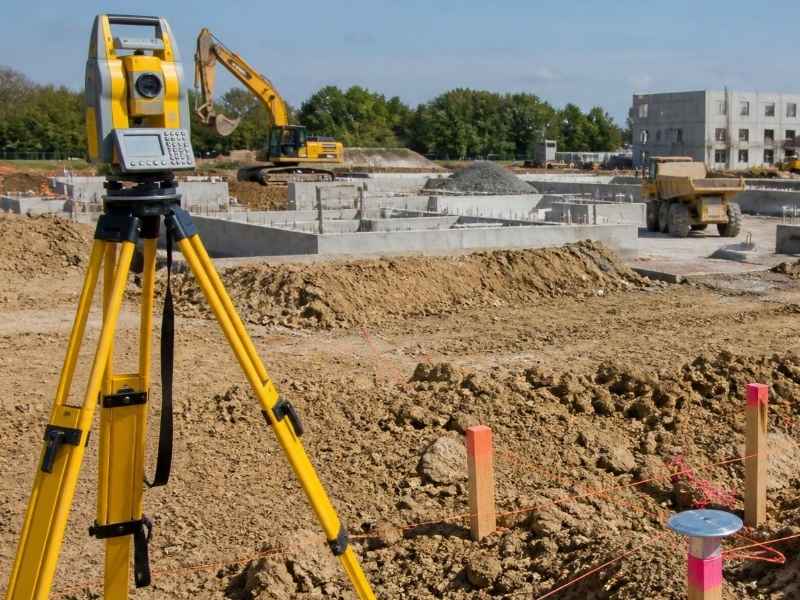
Every building starts from a point you can trust. On a job site, that point is a survey control point. It’s a fixed marker with a known location that every stake, line, and grade is measured from. Get it right, and the whole project lines up the way the plans intend. Lose it, and the errors spread quietly through every phase of the work. This guide explains what control points are, how they support construction staking, and how to keep them safe from the first day to the last.
Why Construction Crews Need a Reliable Reference on the Site
A control point is a marked spot with a known position and height. Surveyors set it before any layout work begins. It acts as the anchor for the whole site. Every measurement on the job traces back to it.
The known height part matters as much as the location. It tells crews how high or low to build at any spot on the lot. That’s how a floor sits level and a pipe drains the right way. Without it, grade work turns into guesswork.
Without a solid reference, crews start to drift apart. One person measures from a fence, another from a curb, and the numbers no longer agree. Small gaps at the start turn into big problems by the time walls go up. A shared control point keeps everyone working from the same source.
This is the base that construction staking depends on. Staking is the process of marking where things will be built, like foundations, roads, and utilities. Those stakes are only as accurate as the point they come from. A reliable reference is what makes the stakes worth trusting in the first place.
How Survey Control Points Tie Different Phases of Construction Together
A project moves through many stages. First comes clearing and grading. Then footings, walls, utilities, paving, and final grade. Each stage needs to match the one before it, and none of them can drift.
Control points are what hold those stages together. The crew pouring footings and the crew laying pipe both measure from the same marks. That means the pipe lines up with the building, and the building lines up with the lot. This shared reference is a key part of the construction layout process, helping different crews keep their work aligned from the first phase through final installation.
Think of it like a map that never changes. No matter who shows up or when, the starting spots stay the same. That steady base is what keeps a design from slowly shifting off course. It also lets two crews work in different areas and still meet in the middle.
This matters most on larger or phased jobs. A site may be built in sections over many months. New crews arrive, and old stakes get pulled or buried in the process. Because the control points stay fixed, each new phase of construction staking can start from the same trusted spots. The last section built still fits the first.
What Can Go Wrong When Control Points Are Moved or Disturbed
Control points look small, so they’re easy to ignore. A stake gets run over by a truck. A pin gets buried under a pile of dirt. A helpful worker pulls one that seems to be in the way. Any of these can throw off the whole site.
When a point moves, the error hides at first. Crews keep measuring from the wrong spot and trust the bad numbers. A foundation ends up a few inches off. A road drifts past where it belongs.
By the time someone spots the mistake, real work is already in place. Concrete is poured. Pipe is buried. Fixing it means tearing out finished work and paying for it twice. That’s why a disturbed point is more than a small nuisance.
Some of these errors touch legal lines too. If staking pushes a structure over a setback or a boundary, the owner may have to move or remove it. Setback and boundary rules can vary by county, city, and project type, so they’re worth confirming early. Protecting control points is far cheaper than redoing built work.
How Surveyors Establish and Verify Control Before Layout Work
Good control doesn’t happen by chance. A surveyor plans it before any staking starts. The goal is a set of points spread across the site that crews can reach and reuse. Placement is chosen with care, not dropped at random.
Here’s what that setup usually involves.
- Tie the site to known reference data so the local marks match the real world.
- Set several control points in safe spots, away from heavy traffic and future digging.
- Record the exact position and height of each one.
- Mark and protect them so they’re easy to find and hard to disturb.
More than one point is set on purpose. If a single marker is lost, the others still hold the site together. This backup keeps a small accident from stopping the whole job. It also gives the crew a nearby point to work from in any part of the site.
Verification is the next step. The surveyor checks the points against each other to catch any bad reading. If two points disagree, the error gets found before it reaches a single stake. This check is quick, and it saves days of rework later. Only after the control checks out does construction staking begin.
When Construction Projects Need Control Points Rechecked
Control isn’t a one-time task. Sites change as work moves along. Heavy equipment, weather, and grading can all shift or hide a point. A recheck confirms the marks are still good before crews rely on them again.
Rechecks make the most sense at a few key moments. Check before a major new phase, like moving from grading to foundations. Check after big earthwork that could disturb the ground. Check any time a stake looks damaged or a reading feels off. A short verification now beats a costly surprise later.
Seasons play a role too. Freezing, thawing, and heavy rain can move the ground and the marks set in it. A point that was solid in the fall may need a second look in the spring. A quick check clears up any doubt before the next pour.
Timing matters as much as accuracy. Permits, inspections, and pour dates often depend on layout being correct. Confirm your control and staking needs early, since a delay here can hold up the whole schedule. A quick recheck keeps the project moving and the budget in line.
