
Due Diligence Surveys for Complex Property Decisions
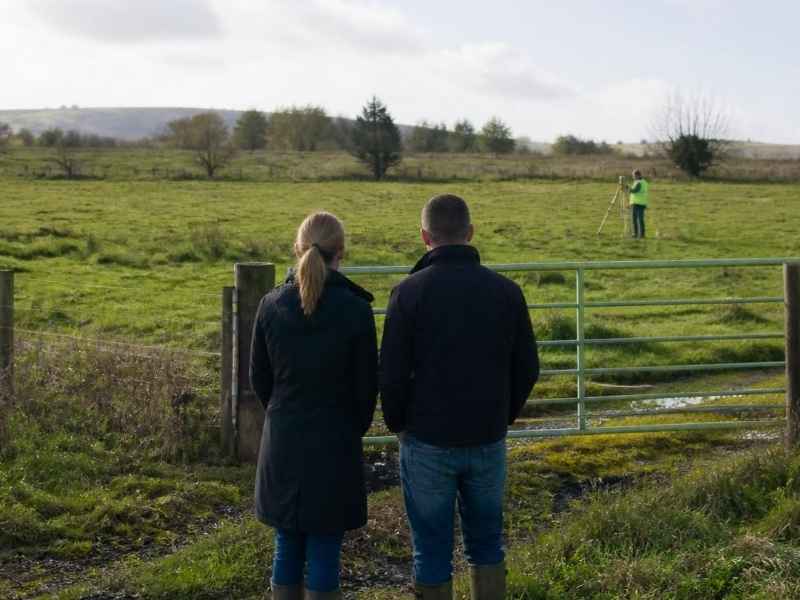
Big property decisions carry big risks. A boundary that looks clear on paper may not hold up on the ground. An easement you never saw may block your best plan. By the time these problems surface, the money is often already spent.
Due diligence surveys exist to catch those problems first. They give you a true picture of a property before you buy, finance, or build. That picture can save a deal or steer you away from a bad one. This guide covers what these surveys check and why each part matters.
The value grows with the size of the choice. A simple lot may need little. A complex property with several parcels, old records, or big plans needs much more. Knowing the right level of review is the first step toward a smart decision.
The Right Survey Scope for Each Property Decision
Survey scope means what the survey will cover. Not every decision needs the same scope. The work should match what you plan to do with the land. A good surveyor helps you set that scope early.
The reason you buy shapes the survey you need. Consider a few common cases:
- Buying a property calls for a clear boundary and title review
- Financing often requires a survey the lender and title company accept
- Developing land needs boundary, topographic, and site data
- Subdividing requires parcel lines and legal descriptions
- Changing a property’s use may trigger new zoning or access checks
Each path asks different questions of the land. A developer worries about grading and drainage. A buyer worries about lines and easements. A lender worries about the collateral. One size does not fit all.
Getting the scope right saves money both ways. Too little survey work leaves you exposed to surprises. Too much means paying for data you do not need yet. In rural areas like Maxwell, where large tracts and old family parcels are common, the right scope matters even more. Confirm your needs early, especially if a closing or permit depends on the survey.
Essential Records Behind a Thorough Property Review
A survey is more than field work. Much of the truth lives in records. A thorough due diligence survey pulls those records and reads them closely. This paper trail often reveals problems before anyone sets foot on the site.
Several documents carry key information:
- Deeds, which describe who owns the land and how it is defined
- Plats, which are recorded maps of parcels and subdivisions
- Title commitments, which list what the title company will insure
- Easements, which grant others rights to use part of the land
- Prior surveys, which show earlier measurements and findings
- Planning and zoning records, which affect what you can build
Comparing these records tells a story. A surveyor looks for gaps, where land seems to belong to no one. They look for overlaps, where two deeds claim the same strip. They watch for old easements that still bind the property today.
Older properties hold the most surprises. Descriptions written decades ago may use landmarks that no longer exist. A parcel may have been split or partly sold over the years. Each change can leave a mark that needs to be understood. The record review sets up the field work that follows.
Differences Between Recorded Details and Field Conditions
Paper and reality often disagree. A deed may call for a line that the fence does not match. A driveway may cross a boundary the records never mention. A due diligence survey measures the property today and compares it to the records. That comparison is where hidden issues come to light.
The surveyor takes current measurements across the site. They locate the corners, the improvements, and the visible features. Then they check those field conditions against the deeds and plats. Small differences can point to big problems.
Occupation lines are a frequent flag. These are the lines people actually use, like fences, hedges, and worn paths. When a fence sits five feet inside the deed line, that gap matters. It may signal a boundary dispute or a long-standing claim.
Access points get the same attention. A survey confirms how you legally reach the property. A driveway that crosses a neighbor’s land without a recorded easement is a real risk. Catching that before closing gives you time to fix it. Discovering it after is far more costly.
Potential Risks Hidden in Property Boundaries and Site Features
Some risks stay quiet until you act on them. A due diligence survey brings them into the open. These are the issues that can change whether a deal or project should move ahead at all.
Boundary risks top the list. Encroachments happen when a structure crosses a property line. A neighbor’s shed, fence, or driveway may sit on land you plan to buy. Conflicting descriptions between deeds can cloud who owns what. These issues can stall a sale or spark a legal fight.
Access and easement risks come next. An easement may run right through the spot you wanted to build. A utility line or drainage path can limit your layout. Some properties lack clear legal access to a public road. That single gap can make land nearly unusable.
Physical constraints round out the picture. Steep ground, wet soil, or a floodplain can shrink your buildable area. What looks like a full acre may offer far less usable space. A survey shows these limits before you commit. Knowing them early lets you plan around them or walk away.
Survey Findings as a Basis for Informed Decisions
A due diligence survey turns unknowns into facts. Those facts guide the people who make the call. Buyers, owners, lenders, attorneys, and design teams all rely on clear survey information.
Each party uses the findings in a different way. A buyer decides whether to proceed, renegotiate, or pass. A lender judges the risk in the collateral. An attorney addresses title problems before closing. A design team plans a site that fits the real land. Good data serves all of them at once.
The timing of these findings is what makes them powerful. Problems found before closing can often be fixed. A seller may correct a record. A price may be adjusted. An easement may be resolved. The same problem found after closing becomes yours to solve alone.
Requirements vary by property type, lender, title company, and project. A due diligence survey may be simple or may call for a detailed ALTA survey used in complex deals. Ask early what your situation demands. That way the survey answers the right questions in time to matter.
Complex property decisions deserve solid ground to stand on. A due diligence survey gives you that footing before you commit real money. A licensed land surveyor can help set the right scope, review the records, and uncover what the property is really telling you. Reach out early, before a closing or project depends on it, and give yourself room to decide with confidence.
